 +49 175 370 2510
 +49 175 370 2510
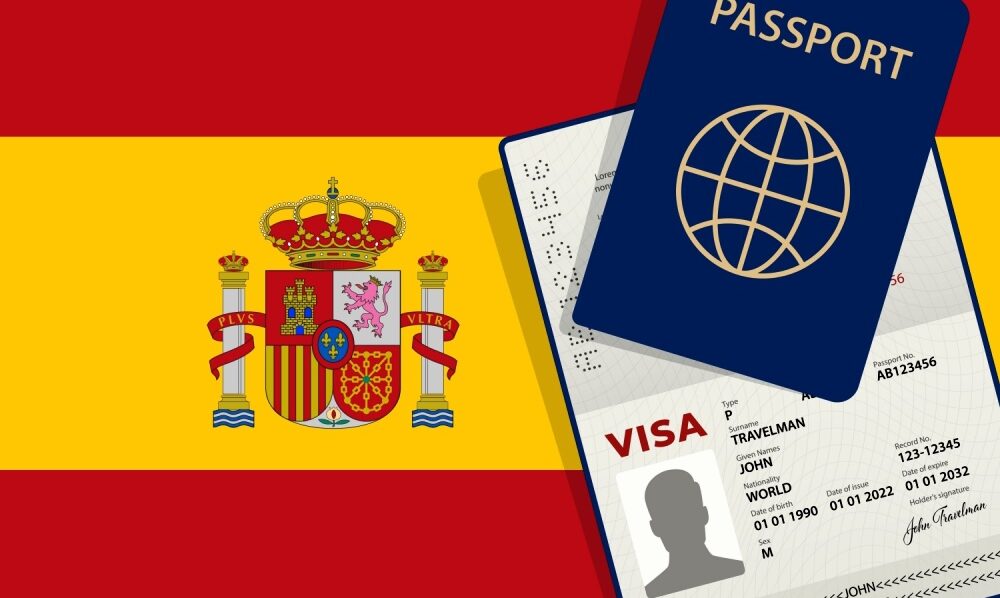
Spain isn’t just trending—it’s leading.
In the latest Global Digital Nomad Index 2025, Spain ranked as the #1 destination worldwide for digital nomad ecosystems. At the same time, demand continues to surge. According to the Spanish Ministry of Economic Affairs, applications for Spain’s Digital Nomad Visa have increased by 45% in under a year.
Cities are playing a big role in that momentum. Barcelona, in particular, has been recognized as Europe’s top remote work hub, thanks to its strong infrastructure, international community, and thriving co-working culture.
So what’s really driving this shift?
Let’s break down why Spain continues to outperform other countries competing for global remote talent.
1. Strong Infrastructure That Supports Real Life
Remote work sounds great—until basic systems fail.
Spain avoids that problem entirely.
Major cities like Madrid, Barcelona, Valencia, and Malaga offer:
-
High-speed, reliable internet
-
Efficient public transportation
-
Modern healthcare systems
-
Easy access to banking and essential services
This is what sets Spain apart: it’s not built just for visitors—it’s built for living.
Coworking spaces are also widely available, whether you prefer a quiet environment or a more social, creative setting. The result? A workday that feels smooth, predictable, and productive.
2. Accessible Income Requirements
One of Spain’s biggest advantages is how realistic the entry barrier is.
To qualify for the Digital Nomad Visa, applicants typically need to show a monthly income of around €2,800–€3,000. Compared to other EU destinations, that’s relatively accessible.
More importantly, that income actually goes far.
Outside major hubs like Madrid and Barcelona, the cost of living remains manageable:
-
Affordable rental options
-
Reasonably priced dining and groceries
-
Lower day-to-day expenses
This creates a rare balance: easier approval + comfortable lifestyle.
3. Attractive Tax Frameworks for Remote Professionals
Spain isn’t just about lifestyle—it’s also strategically appealing.
Eligible applicants may benefit from the Beckham Law, which allows for a flat tax rate of around 24% on certain income during the initial years of residency.
Why this matters:
-
Predictability in tax planning
-
Potential savings compared to progressive tax systems
-
Simplified financial structuring for remote earners
For professionals earning internationally, clarity and stability in taxation can be just as important as income itself.
4. Flexible and Long-Term Residency Options
Spain’s visa structure is designed with flexibility in mind.
Applicants can often apply:
-
From their home country
-
Or directly from within Spain (if already there legally)
Once approved, residence permits can be issued for up to 3 years, reducing the need for constant renewals.
That longer validity period gives digital nomads something many countries fail to offer: stability.
5. Lifestyle That Actually Matches the Dream
Let’s be honest—this is a major reason people choose Spain.
From coastal living to vibrant city life, Spain delivers a lifestyle that’s hard to replicate:
-
Sunny climate across much of the year
-
World-renowned cuisine and social culture
-
Walkable cities and lively neighborhoods
-
A strong sense of community
Whether it’s seaside mornings in Valencia or late dinners in Madrid, daily life feels more balanced—and more enjoyable.
Final Thoughts
Spain isn’t winning by accident.
It combines practical advantages (infrastructure, taxes, accessibility) with lifestyle appeal (climate, culture, community)—and that combination is hard to beat.
For digital nomads looking to relocate in 2026, Spain offers something increasingly rare:
A place where work and life both function exactly as they should.
0 Comments