St. Kitts and Nevis Introduces Biometric Passport System: Key Deadlines and What Investors Must Know

St. Kitts and Nevis
Share this

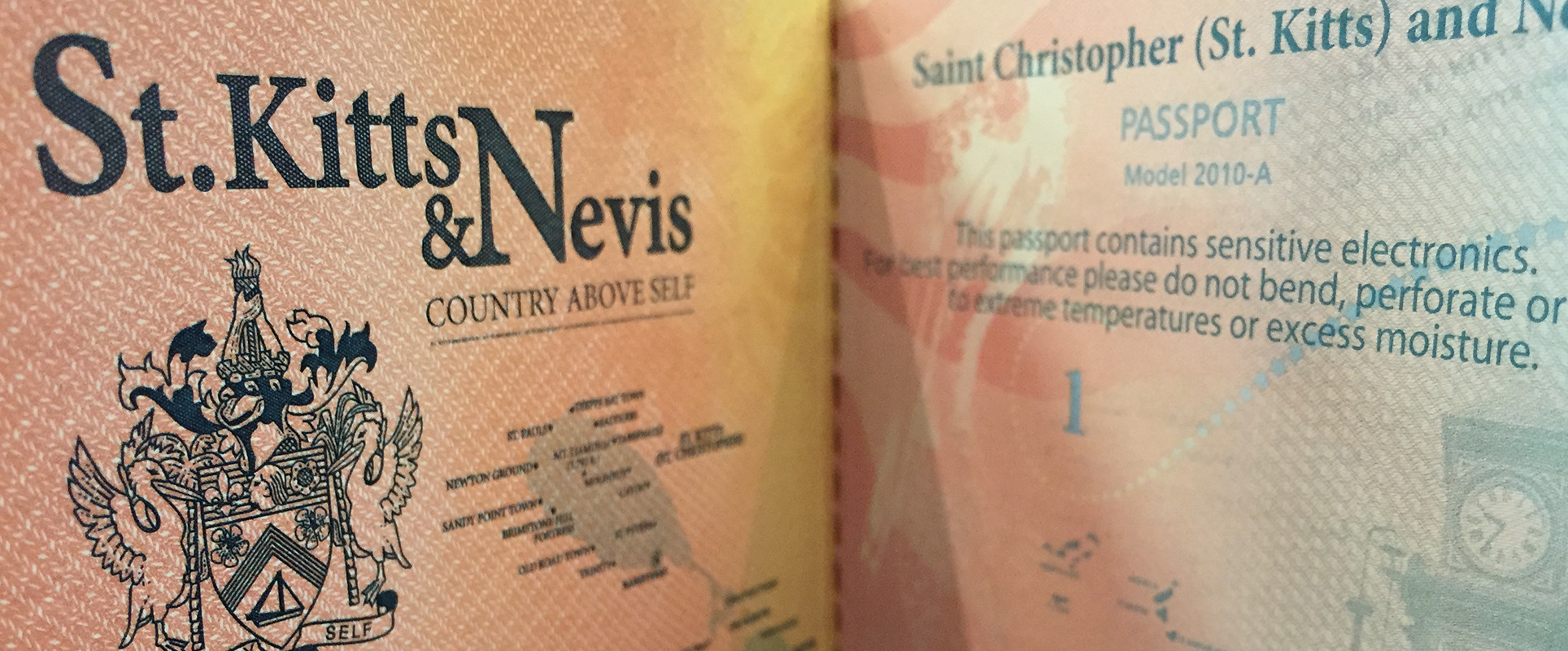
The Government of St. Kitts and Nevis is launching a major upgrade to its passport system, marking an important shift for citizens worldwide—especially those who obtained citizenship through the Citizenship by Investment Program.

Starting 14 April 2026, the country will roll out its National Biometric Enrollment and Passport Modernization Program, introducing mandatory biometric data collection as part of its passport issuance process.

If you are already a citizen, here is exactly what this means for you.


Does This Affect Your Citizenship Status?

Let’s be clear:

Your citizenship remains fully valid.

This update is purely administrative and focuses on upgrading travel documents to align with modern international border security standards. There is no impact on your legal status as a citizen.


Important Deadline for Existing Passport Holders

If you obtained your passport through the CBI program before 14 April 2026, take note:

  • Your current passport will remain valid until 31 July 2027

  • After this date, it will no longer be accepted for international travel unless you complete biometric enrollment

There is no immediate urgency, but this is a hard deadline you should plan for early.


Who Needs to Complete Biometric Enrollment?

Biometric enrollment is mandatory for:

  • All citizens who obtained nationality through the Citizenship by Investment Program

  • Dependants included in CBI applications (including children, based on age requirements)

Other citizens, including those born in the country, are encouraged to enroll but are not subject to the same deadline.


What About New Applicants?

For all new applications submitted on or after 14 April 2026, biometric enrollment becomes a standard part of the process.

This means future applicants will complete biometric registration before receiving their passports.


Step-by-Step: How the Biometric Enrollment Process Works

The government has confirmed that enrollment must be completed only through the official government platform. Third-party platforms are not authorised.

The process includes three key steps:

1. Register

Submit your application through the official biometric enrolment system.

2. Schedule

Book an appointment at an approved biometric collection centre.

3. Attend

Visit the centre in person to complete your biometric data capture.


What Biometric Data Will Be Collected?

During your appointment, the following data will be securely recorded:

  • Live facial image

  • Fingerprints

  • Digital signature

  • Passport data capture

These measures are designed to enhance identity verification and align with global security protocols.


Approved Biometric Enrolment Centres

To support international citizens, several locations have already been designated:

  • Basseterre, St. Kitts and Nevis

  • Ottawa, Canada

  • London, United Kingdom

  • Abu Dhabi, United Arab Emirates

  • Taipei

  • Rabat, Morocco

Additional centres may be announced as the program expands.


What to Expect Next

The government has indicated that:

  • Authorised agents will receive further operational guidance before launch

  • Details regarding fees, appointment booking, and procedures will be released separately


Final Thoughts

This move reflects a broader global trend toward biometric security and digital identity verification. For investors and international citizens, the key takeaway is simple:

👉 Your citizenship is safe

👉 Your passport needs upgrading before July 2027

Planning early will help you avoid disruptions to your international travel.

0 Comments

Submit a Comment

Your email address will not be published. Required fields are marked *

The Smart Investor’s Guide to Affordable Second Passports in 2026

For decades, a single narrative has dominated the global mobility conversation: if you want a second passport, you need to be ultra-wealthy. The assumption is that citizenship by investment (CBI) is reserved only for those buying luxury resorts or writing checks for...

Montenegro Property Residency 2026: €150,000 Investment Rule and New Tax Law Explained

Montenegro has officially reshaped its immigration system. With amendments to the Law on Foreigners adopted at the end of 2025 and effective from January 17, 2026, the country has introduced a structured property-linked residency pathway and tightened tax rules for...

Nauru Citizenship by Investment 2026: 30% Limited-Time Discount Officially Announced

Nauru has officially launched a limited-time price reduction for its Citizenship by Investment (CBI) Program — and it is one of the most significant temporary discounts currently available in the global investment migration market. As the program marks its first...

The Ultimate 2026 Guide to Passive Income Residency: 40 Countries That Let You Move Without Investing

Most people assume that moving abroad legally requires buying property, investing large sums, starting a business, or marrying a local citizen. That’s simply not true. In at least 40 countries, you can obtain legal residency without investing a single dollar, as long...

29 Countries That Do Not Tax Foreign Income – 2026 Global Guide

Live in one country. Earn in another. Pay zero tax on foreign income. In 2026, despite increasing global pressure toward worldwide taxation, 29 countries still operate tax systems that do not tax foreign-source income — either permanently, conditionally, or for...

Top 15 Countries Offering Residency Through Property Investment Under $150,000 (2026 Guide)

For many globally mobile families and investors, a Plan B residency is no longer a luxury — it is a strategic necessity. Contrary to popular belief, obtaining legal residency abroad does not require million-dollar investments or elite “golden visa” programs. In 2026,...

St. Kitts and Nevis Confirms Physical Residency Requirement for Citizenship by Investment Starting 2026

St. Kitts and Nevis has officially confirmed a major reform to its Citizenship by Investment (CBI) program. Beginning in 2026, new applicants will be required to meet physical residency and genuine-link criteria, marking a decisive shift away from purely...

Andorra Tightens Passive Residency Rules With Major Investment Reform

Andorra has officially approved a significant overhaul of its passive residency program, marking a decisive shift toward higher investment thresholds and stricter entry criteria. The reform was adopted by Parliament on January 22 and fundamentally changes how...

Portugal Visa Income Thresholds Updated: Digital Nomad, D7, and D2 Visas

A Citizenship Network Guide to Digital Nomad, D7, and D2 Visas Portugal has officially increased its national minimum wage — and while this may sound like a purely local labor update, it has direct consequences for some of Europe’s most popular residency visas. At...

St Kitts and Nevis Citizenship by Investment Program to Undergo Major Reform in 2026

The citizenship by investment landscape is entering a new era, and St Kitts and Nevis is positioning itself at the forefront of this transformation. Beginning in 2026, the country will fundamentally restructure its Citizenship by Investment Program (CIP) by...